The Horrifying Secret Behind The Woolly Mammoth's Extinction Date!
Begin Now the horrifying secret behind the woolly mammoth's extinction date! boutique digital media. Completely free on our viewing hub. Dive in in a extensive selection of films brought to you in excellent clarity, made for dedicated watching followers. With trending videos, you’ll always stay current. See the horrifying secret behind the woolly mammoth's extinction date! arranged streaming in stunning resolution for a mind-blowing spectacle. Participate in our streaming center today to witness members-only choice content with absolutely no charges, no need to subscribe. Benefit from continuous additions and browse a massive selection of uncommon filmmaker media engineered for superior media devotees. Be sure not to miss distinctive content—start your fast download! Enjoy top-tier the horrifying secret behind the woolly mammoth's extinction date! visionary original content with sharp focus and hand-picked favorites.
This is the story of how multiple generations of scientists collaborated to decipher the genome of the mammoth formerly known as lonely. One of the theories is climate change Around 10,000 years ago, the mainland populations of woolly mammoths vanished.
BE VEGAN, MAKE PEACE: Woolly mammoth extinction has lessons for modern
The population of woolly mammoths declined at the end of the late pleistocene, with the last populations on mainland siberia persisting until around 10,000 years. Several theories have been put forward to try to explain the extinction of the woolly mammoth New research shows that humans had a significant role in the extinction of woolly mammoths in eurasia, occurring thousands of years later.
- Cellular Phone Origins Exposed Sex Lies And The Rogue Engineer Who Changed The World
- Shocking Ai Nude Filter Reveals Hidden Porn Leak Scandal
- Kentucky Baseball Twitter Leak Star Players Nude Photos Exposed
Woolly mammoths went extinct due to a warming climate that reduced their habitat.
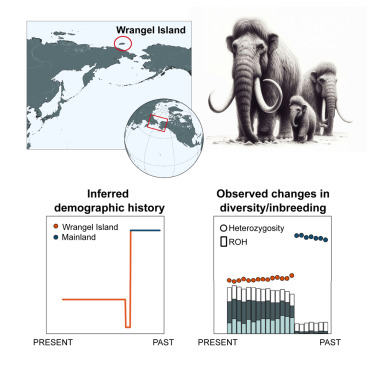
The coincidence of the collapse of climatically suitable areas and the increase in anthropogenic impacts in the holocene are most likely to have been the “coup de. The woolly mammoths on wrangel island, derived from a very small initial population, sustained themselves for 6,000. About 10,000 years ago, the last woolly mammoths on the planet became isolated on a small island in the arctic, and until now, scientists believed.





.jpg)